Hearing that your pet may need surgery can feel overwhelming. Whether your dog requires a routine procedure or your cat needs treatment for a medical condition, it’s natural to have questions about safety, recovery, and what to expect throughout the process.
At Southwest Pet Hospital in Springdale, Arkansas, we understand that your pet is an important member of your family. For more than 40 years, our practice has proudly served pets throughout Northwest Arkansas with compassionate veterinary care. Under the leadership of Dr. Michelle Wendell since 2011, our team is dedicated to helping pets receive the medical and surgical care they need to live healthy, comfortable lives.
If you’re searching for information about pet surgery in Springdale, veterinary surgical procedures, or preparing your pet for surgery, this guide will help you better understand the process and how veterinary surgery can improve your pet’s health and quality of life.
What Is Veterinary Surgery?
Veterinary surgery encompasses a wide range of procedures designed to diagnose, treat, and prevent medical conditions in pets.
Some surgeries are performed to address health concerns, while others are preventive in nature.
Veterinary surgery may be recommended to:
- Treat injuries
• Remove growths or masses
• Repair damaged tissues
• Address internal medical conditions
• Improve mobility
• Prevent future health problems
Modern veterinary medicine allows many pets to undergo surgery safely and return to normal activities with proper care and recovery.
Common Types of Pet Surgery
Veterinary surgeons perform a variety of procedures depending on a pet’s needs.
Common surgeries include:
Spay and Neuter Procedures
Spaying and neutering are among the most frequently performed veterinary surgeries.
Benefits may include:
- Population control
• Reduced risk of certain cancers
• Prevention of reproductive diseases
• Behavioral benefits in some pets
Mass and Tumor Removal
Lumps and bumps can develop as pets age. Surgical removal allows veterinarians to evaluate suspicious growths and address potential health concerns.
Soft Tissue Surgery
Soft tissue procedures may involve:
- Skin conditions
• Wound repair
• Internal organ concerns
• Abdominal procedures
Orthopedic Procedures
Some pets may require surgery involving bones, joints, or ligaments due to injury or chronic conditions.
Dental Surgery
Advanced dental disease sometimes requires surgical treatment, including tooth extractions and treatment of oral infections.
Signs Your Pet May Need Surgery
Not every health issue requires surgery, but certain symptoms may indicate a more serious condition that warrants evaluation.
Signs to watch for include:
- Persistent pain
• Difficulty walking
• Limping
• Swelling or masses
• Changes in appetite
• Difficulty urinating
• Vomiting or digestive issues
• Unexplained weight loss
If you notice any of these symptoms, scheduling a veterinary examination is important.
The Importance of Early Diagnosis
Many surgical conditions can be easier to treat when identified early.
Routine wellness exams allow veterinarians to detect potential problems before they become more serious.
Early intervention often results in:
- Better outcomes
• Faster recovery
• Reduced discomfort
• Lower treatment costs
Preventive care remains one of the best ways to protect your pet’s long-term health.
Preparing Your Pet for Surgery
Before surgery, your veterinary team will provide detailed instructions to help ensure a safe procedure.
Preparation may include:
- Physical examination
• Pre-anesthetic bloodwork
• Medication review
• Fasting instructions
• Diagnostic testing if needed
These steps help evaluate your pet’s health and reduce potential risks.
Is Anesthesia Safe for Pets?
One of the most common concerns pet owners have involves anesthesia.
Modern veterinary anesthesia protocols are designed with patient safety as a top priority.
Before anesthesia, veterinarians evaluate:
- Age
• Overall health
• Medical history
• Laboratory results
During surgery, pets are closely monitored to help ensure safety throughout the procedure.
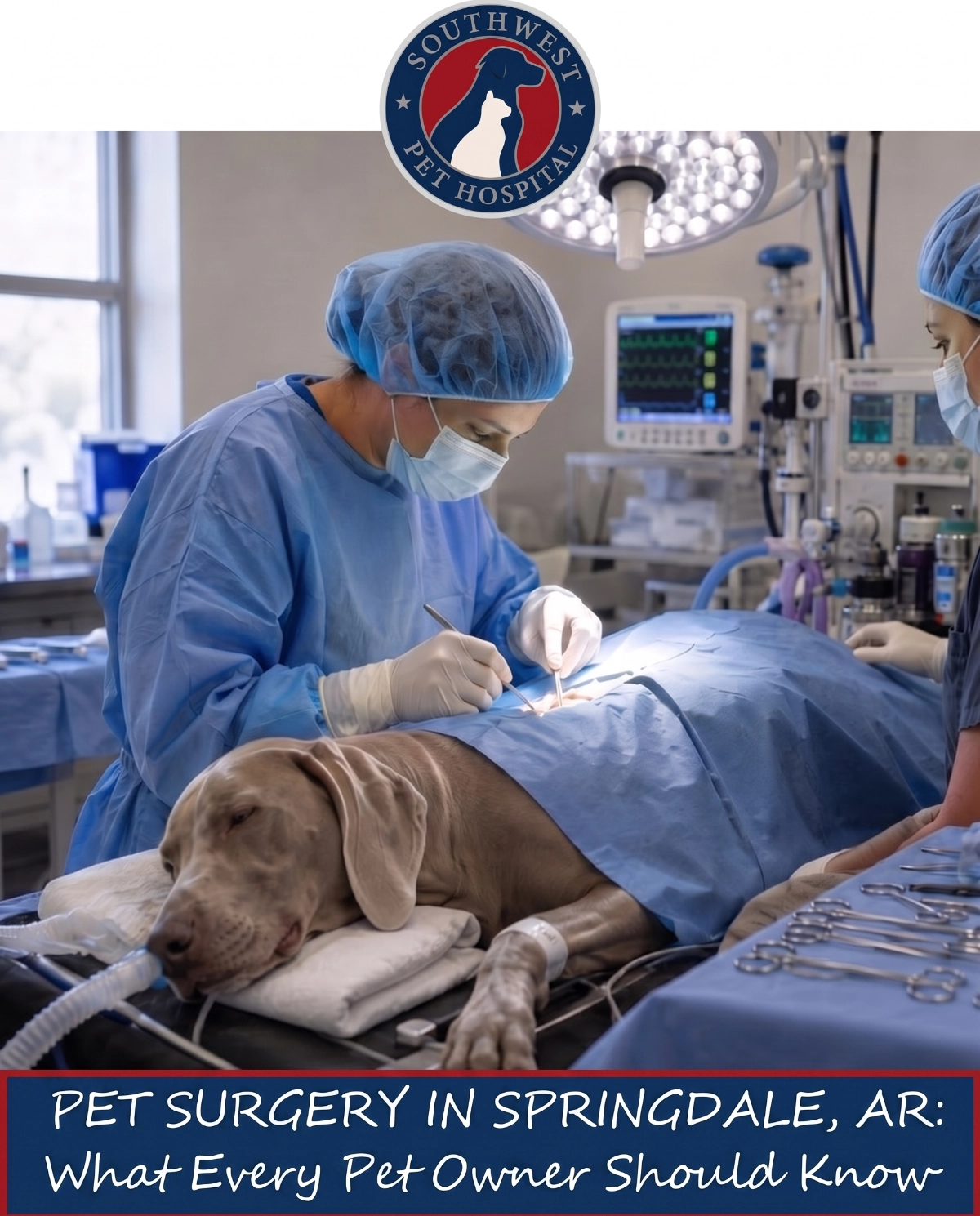
What Happens During Surgery?
Every procedure is unique, but most surgeries follow a similar process.
Your pet will typically receive:
- A pre-surgical examination
• Anesthesia administration
• Continuous monitoring
• The surgical procedure itself
• Post-operative recovery care
The veterinary team carefully monitors vital signs throughout the entire process.
Recovery After Pet Surgery
Recovery is a critical part of successful surgical care.
Depending on the procedure, recovery instructions may include:
- Activity restrictions
• Medication administration
• Incision monitoring
• Follow-up appointments
• Dietary recommendations
Most pets recover well when post-operative instructions are followed closely.
How to Help Your Pet Recover at Home
Pet owners play an important role during the recovery process.
Helpful recovery tips include:
- Limiting excessive activity
• Preventing licking or chewing at the incision
• Administering medications as directed
• Providing a quiet resting area
• Monitoring for unusual symptoms
If you have questions during recovery, your veterinary team can provide guidance.
Benefits of Veterinary Surgery
When recommended appropriately, surgery can provide significant health benefits.
Potential advantages include:
- Relief from pain
• Improved mobility
• Treatment of disease
• Removal of abnormal growths
• Improved quality of life
• Increased longevity
Many pets experience substantial improvements in comfort and overall health following surgery.
Preventive Care and Surgical Health
Routine veterinary visits play an important role in reducing the likelihood of serious health complications.
Preventive care may help identify:
- Dental disease
• Growths or masses
• Joint issues
• Internal health concerns
• Age-related changes
Early detection allows treatment options to be discussed before conditions progress.
Why Choose Southwest Pet Hospital for Pet Surgery?
For more than four decades, Southwest Pet Hospital has provided trusted veterinary care to pets throughout Springdale and Northwest Arkansas.
Led by Dr. Michelle Wendell since 2011, our team is committed to providing compassionate, individualized care designed to support your pet’s health at every stage of life.
We focus on:
- Comprehensive veterinary care
• Surgical expertise
• Patient safety
• Personalized treatment plans
• Client education
• Long-term pet wellness
Our goal is to help pet owners feel informed and confident when making decisions about their pet’s healthcare.
Frequently Asked Questions About Pet Surgery
How long does pet surgery take?
Procedure times vary depending on the type and complexity of the surgery.
Will my pet be in pain after surgery?
Pain management is an important part of surgical care. Your veterinarian will discuss appropriate medications and recovery recommendations.
How long is recovery?
Recovery times depend on the procedure performed and your pet’s overall health.
Is surgery always necessary?
Not always. Your veterinarian will discuss all appropriate treatment options based on your pet’s condition.
Schedule a Surgical Consultation in Springdale, AR
If your pet has been diagnosed with a condition that may require surgery, or if you have concerns about their health, the team at Southwest Pet Hospital is here to help.
Southwest Pet Hospital
1202 Henryetta Street
Springdale, AR 72762
Phone: (479) 751-5601
Website: southwestpethospital.com
Contact Southwest Pet Hospital today to schedule an appointment and learn more about our surgical services and comprehensive veterinary care for dogs and cats throughout Springdale and Northwest Arkansas.